

Short answer
Par Energy Services Inc. was ordered to pay $100,000 after pleading guilty under Alberta's OHS Act when a worker was seriously injured by moving gears in a power tong near Rocky Mountain House in February 2023. The case highlights machine guarding and lockout requirements.
A single moment of contact with moving equipment can cost a worker their health and an employer a substantial penalty. An oilfield services company learned that lesson the hard way in a case that concluded last week in an Alberta courtroom.
Par Energy Services Inc. pleaded guilty on July 20 in Red Deer Court of Justice to one count under Alberta’s Occupational Health and Safety (OHS) Act of failing to ensure the health and safety of a worker. The court ordered the company to pay $100,000, as reported by centralalbertaonline.com and CTV News.
The charge stemmed from a February 8, 2023 incident at a worksite near Rocky Mountain House. A worker was seriously injured after coming into contact with moving gears inside a power tong while casing was being installed in a horizontal well. The power tong, a large hydraulic wrench used to make and break drill pipe connections, was in operation when the injury occurred. All remaining charges against Par Energy Services were withdrawn, and charges against a second company, Savanna Drilling Corp., were also withdrawn.
Under Section 49 of the OHS Act, the $100,000 penalty was directed to Red Deer Polytechnic’s Matthew Schwartz Memorial Endowment Fund, which provides scholarships to students who demonstrate a commitment to workplace safety. This type of creative sentence redirects money into safety education instead of general government revenue—but the financial hit and the public record of a conviction are serious consequences in their own right.
The practical takeaway: guarding and lockout
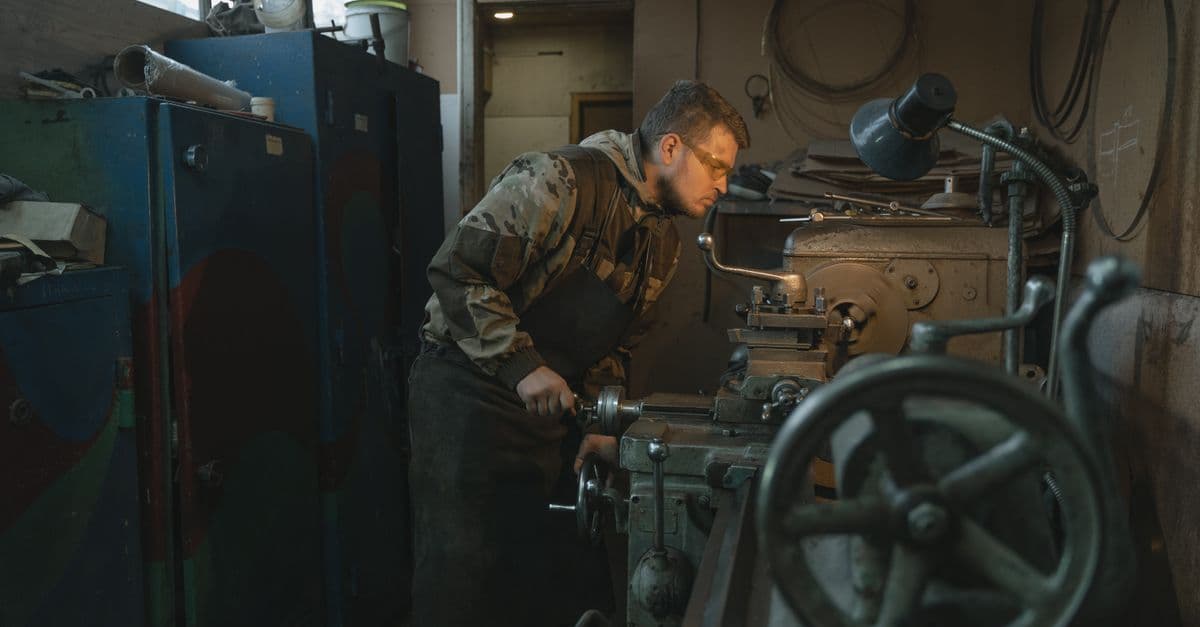
The OHS Code requires employers to safeguard machinery so that workers cannot reach into moving parts. Where fixed guarding isn’t feasible, a combination of presence-sensing devices, interlocks, and lockout procedures must fill the gap.
For any powered equipment on a jobsite—whether a power tong on a drilling rig, a saw on a construction site, or a conveyor in a shop—three questions should be second nature:
- Are all point-of-operation hazards guarded? If a worker can physically reach a pinch point, gear, or rotating shaft, the guarding is inadequate.
- Is lockout-tagout (LOTO) clear and enforced? Before any cleaning, adjustment, or unclogging, the equipment must be de-energized and locked out, and only the person who applied the lock removes it.
- Have workers been trained, and is that training refreshed? A procedure that lives only in a binder won’t protect anyone. Hands-on demonstration and periodic verification are essential.
The injury near Rocky Mountain House is a reminder that unguarded moving parts don’t give second chances. Even a momentary exposure—clearing an obstruction, taking a measurement, or working near rotating pipe—can cause a catastrophic entanglement.
While the news reports did not detail the exact circumstances that allowed the worker’s contact with the gears, such incidents often share a common thread: a machine that was running when it shouldn’t have been, or guarding that was absent or bypassed. Alberta employers can dramatically reduce these risks by conducting machine-specific hazard assessments and building robust safe-work procedures that are consistently audited.
If you need help evaluating the safeguarding on your equipment, developing lockout procedures, or training your team on hazard controls, Salient Health & Safety can help. We work with Alberta construction and trades employers to build practical safety programs that stand up to an OHS officer’s scrutiny. Book a free discovery call today.
Frequently asked questions
What happens to an Alberta employer if a worker is injured by moving machine parts?
The employer can be charged under Alberta's OHS Act with failing to ensure a worker's health and safety. Par Energy Services Inc. pleaded guilty to one count and was ordered to pay $100,000 after a worker was seriously injured by moving gears inside a power tong.
What does the OHS Code require for machine guarding and lockout?
Employers must safeguard machinery so workers cannot reach into moving parts. Where fixed guarding isn't feasible, presence-sensing devices, interlocks, and lockout procedures must fill the gap.
When is lockout-tagout required, and who can remove the lock?
Before any cleaning, adjustment, or unclogging, equipment must be de-energized and locked out, and only the person who applied the lock removes it. Workers also need hands-on training and periodic verification, since a procedure that lives only in a binder won't protect anyone.