
Short answer
Two Alberta employers pleaded guilty after separate worker fatalities and face nearly $700,000 in combined penalties. The cases highlight inadequate hazard assessment and supervision for high-risk tasks, including a Calgary trench collapse and a mine fatality near Warburg.
Two Alberta employers are facing nearly $700,000 in combined penalties after guilty pleas in separate workplace fatalities — a stark reminder that the consequences of inadequate hazard controls go far beyond the jobsite.
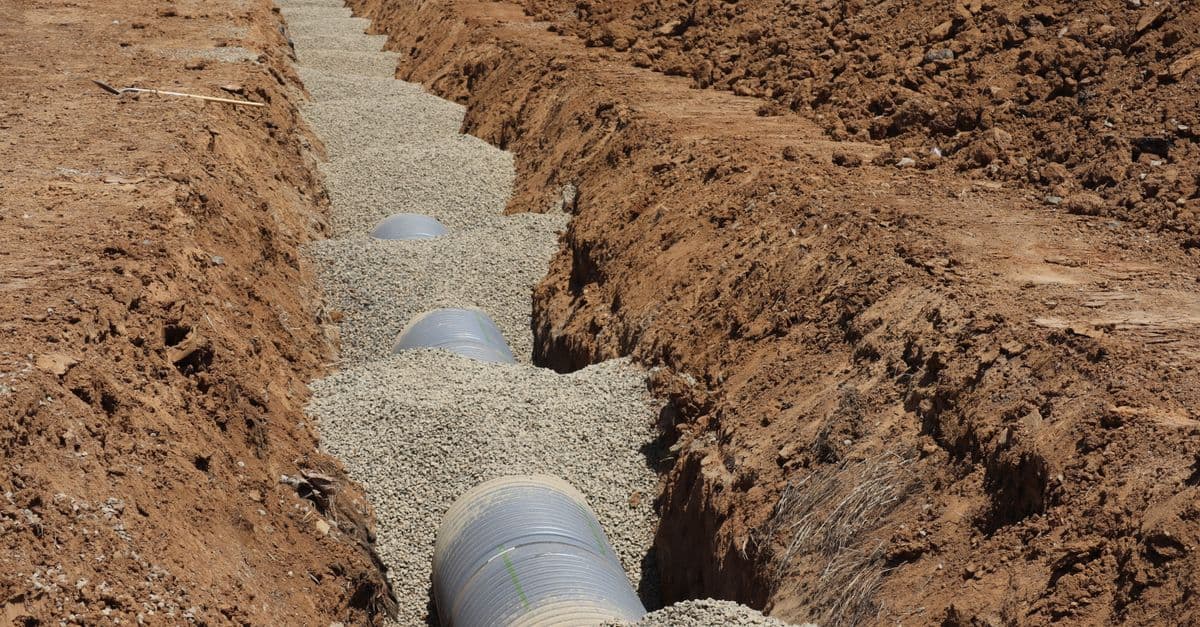
In a Calgary courtroom on Monday, Mr. Mike’s Plumbing Ltd. pleaded guilty to one count under Alberta’s Occupational Health and Safety Act for failing to ensure the health and safety of a worker, as reported by CBC News. The charge stemmed from a June 2023 trench collapse on a water and sewer line construction site in northwest Calgary. Apprentice plumber Liam Johnston, 27, was buried when an excavation wall caved in. Court heard the site was not properly shored and that a photo of a co-worker in a dangerous position, sent to a supervisor minutes before the collapse, did not prompt any intervention. The company was fined $115,000 and ordered to pay an additional $215,000 in a creative sentence to the University of Alberta’s Injury Prevention Centre for a province-wide young worker safety awareness campaign. Ten other charges were withdrawn.
The same week, as reported by CTV News, Prairie Mines and Royalty ULC pleaded guilty to a similar charge following a fatality near Warburg, Alberta. On November 25, 2023, a worker was fatally injured while clearing water and ice from piping. An ice plug dislodged and struck the worker. The Edmonton-based coal mining company was handed a $360,000 creative sentence fine, payable to the Alberta Mine Safety Association to develop safety best practices and training for water removal operations. Eleven other charges were withdrawn.
These two cases, though from different industries, share a common thread: inadequate hazard assessment and supervision for high-risk tasks. Excavation work without proper shoring, sloping, or trench boxes violates basic safety requirements that every Alberta construction employer knows — or should know. Meanwhile, the mining fatality underscores that even routine maintenance tasks become deadly when energy sources, including pressurized ice plugs, aren’t properly controlled.
For Alberta trades and construction employers, the practical takeaway is clear. Your safety program must go beyond a binder on a shelf. Supervisors need the competence to recognize dangerous conditions and the authority to stop work immediately. Workers need task-specific training that covers the real hazards they face, not just generic orientations. And when a near miss or a warning sign appears — like that photo from the Calgary trench — the only acceptable response is swift action, not a shrug.
The financial penalties are large, but they mirror a deeper truth: the cost of prevention is always dwarfed by the cost of a fatality. Alberta’s OHS Act allows for creative sentences that redirect fines toward safety improvement, which can feel more meaningful than a payment to general revenue. But for the families involved, no amount of money repairs the loss.
If you need help tightening your hazard assessment process, improving supervisor competency, or building an OHS program that actually works on site, our team can help. Book a free discovery call today — or explore our safety program development services to see how we help Alberta employers stay compliant and keep their people safe.
Frequently asked questions
What penalties did Mr. Mike’s Plumbing Ltd. receive in the Calgary trench collapse case?
It pleaded guilty to one count under Alberta’s Occupational Health and Safety Act for failing to ensure the health and safety of a worker. The company was fined $115,000 and ordered to pay $215,000 in a creative sentence to the University of Alberta’s Injury Prevention Centre. Ten other charges were withdrawn.
What happened in the Prairie Mines and Royalty ULC fatality case?
The Edmonton-based coal mining company pleaded guilty to a similar charge after a worker was fatally injured near Warburg, Alberta, on November 25, 2023 while clearing water and ice from piping. An ice plug dislodged and struck the worker. It was handed a $360,000 creative sentence fine payable to the Alberta Mine Safety Association, and eleven other charges were withdrawn.
What should Alberta employers do to prevent similar OHS incidents?
A safety program must go beyond a binder on a shelf. Supervisors need the competence to recognize dangerous conditions and the authority to stop work immediately, workers need task-specific training, and warning signs or near misses need swift action.